

If a knee brace helps you feel more supported, it is natural to wonder whether you can simply keep it on from morning to night. For many people, wearing a brace for longer periods is fine as long as it fits well and their skin and circulation are looked after. But "all day" is not the same as "all the time", and how long you should wear a brace depends on why you are wearing it.
This guide covers what to think about before wearing a knee brace for long periods, how to stay comfortable, the warning signs to watch for and when to get professional advice.
Can you wear a knee brace all day?
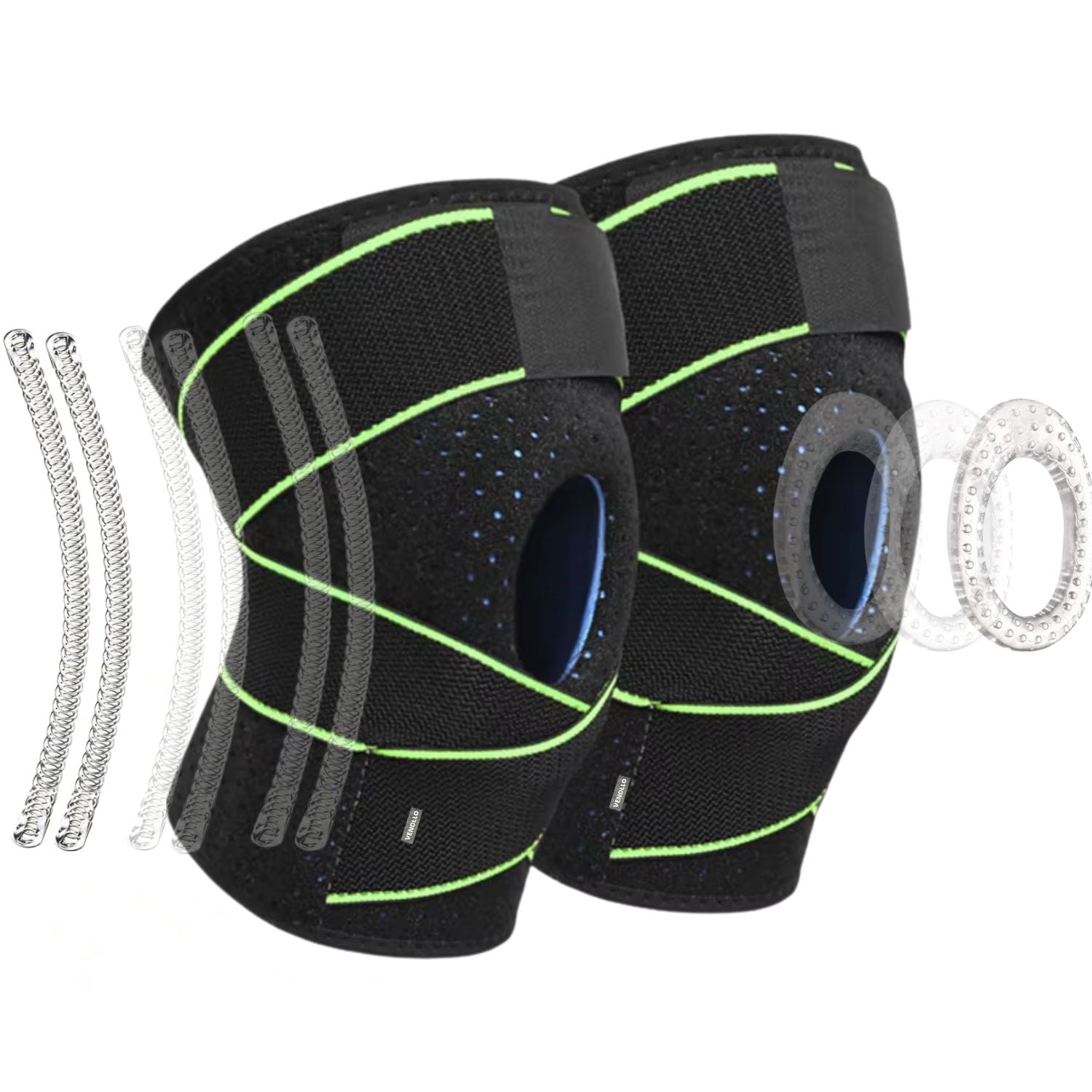
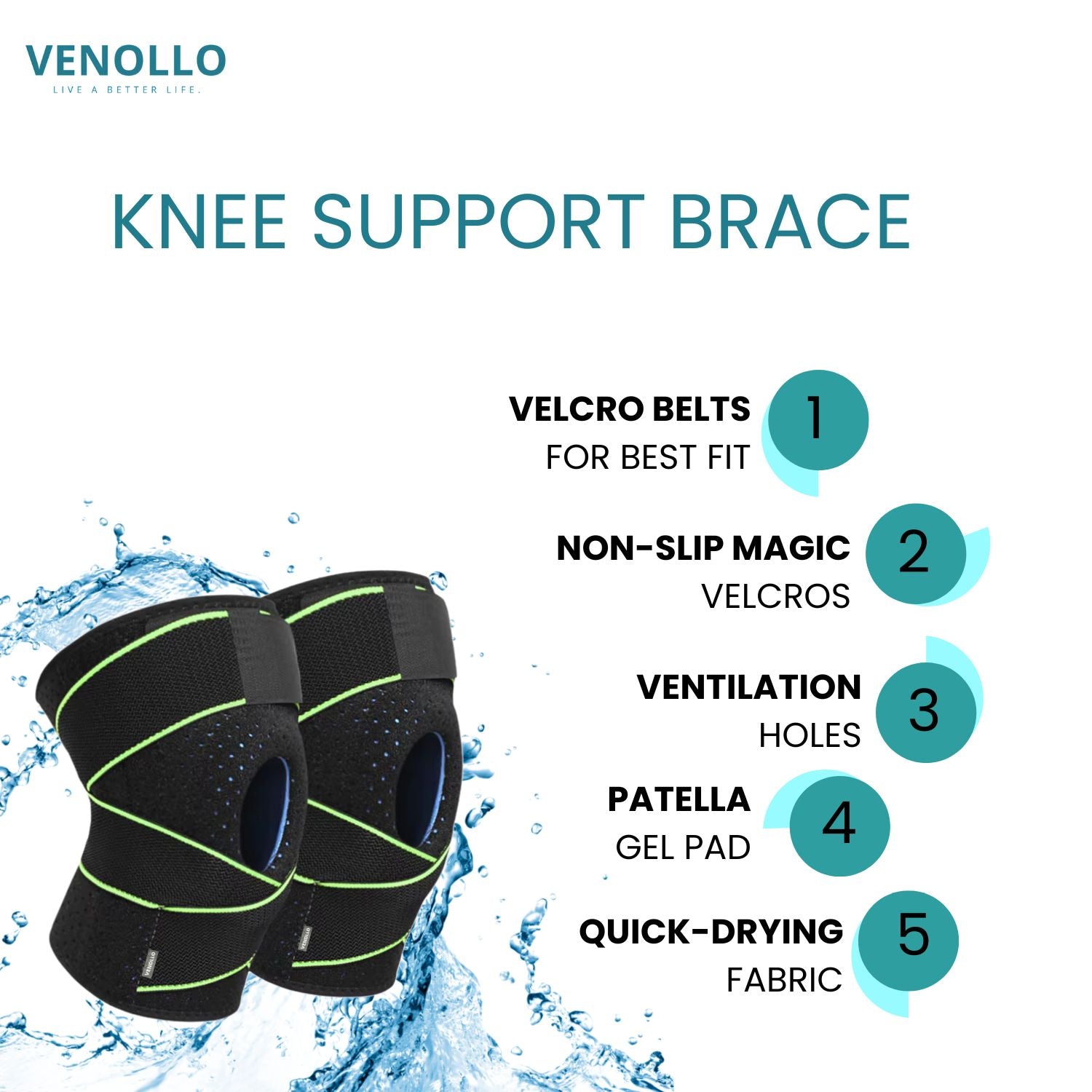
Many general-purpose knee supports are designed for extended wear during work, training or daily activity. The Venollo knee brace, for example, uses a breathable design intended to stay comfortable during long days on your feet. Even so, it is sensible to:
- Take the brace off for regular breaks so your skin can breathe
- Loosen the straps if you feel tingling, numbness or throbbing
- Wear it for the activities where you want extra support, rather than by default
- Follow any specific advice from a GP, physiotherapist or other healthcare professional
If a healthcare professional has recommended a brace for a particular injury or after surgery, their guidance on how long and when to wear it should always take priority over general advice like this.
How long should you wear a knee brace each day?
There is no single answer that suits everyone. It depends on what you are using the brace for, how it feels and what any healthcare professional has told you. As a practical approach, many people wear a support during the activities where they want it most, such as sport, long walks or a physically demanding shift, and take it off when resting.
Wearing a brace when you do not need it is unlikely to add much, and some people find that constant wear makes them less aware of how their knee is moving. If you find you are relying on a brace for every activity, or your symptoms are not improving, that is a good reason to get your knee checked.
Signs your brace needs adjusting or a break
Take the brace off or loosen it if you notice:
- Tingling, pins and needles or numbness below the knee
- Swelling in the lower leg, ankle or foot
- Skin that turns pale, blue or unusually cold
- Red marks that do not fade quickly, blisters or broken skin
- Itching or a rash where the brace sits
- Increasing pain while wearing it
If these symptoms do not settle after removing the brace, or you notice significant swelling, skin changes or severe pain, seek medical advice.
Tips for wearing a knee brace comfortably
Get the fit right first
Most comfort problems come back to fit. A brace that is too tight restricts circulation; one that is too loose slides and rubs. Follow our step-by-step guide on how to put on a knee brace and use the one-finger check under each strap.
Re-adjust through the day
Your leg can feel slightly different after sitting, standing or exercising. Check the straps every few hours and loosen or re-tighten as needed.
Look after your skin
- Put the brace on clean, dry skin without heavy creams underneath.
- Take it off during breaks to let your skin air out.
- Check for redness or rubbing when you remove it.
Keep the brace clean
Sweat and skin oils build up quickly with long wear. Washing your brace regularly helps reduce odours and irritation. Our guide on how to wash a knee brace explains how to do it without damaging the materials.
Choose breathable materials
Ventilation holes, breathable fabrics and moisture-wicking linings can all make longer wear more pleasant, particularly in warm weather or during exercise.
Should you sleep in a knee brace?
Most people do not need to wear a general knee support in bed, and taking it off overnight gives your skin a rest. Some people are advised to wear a specific brace at night, for example after certain injuries or operations. If you are unsure, ask the healthcare professional who is looking after your knee.
Frequently asked questions
Is it bad to wear a knee brace every day?
Wearing a well-fitted support during daily activities is not necessarily a problem, but it is worth reviewing why you need it. If you rely on a brace every day because of ongoing pain or instability, speak to a GP or physiotherapist, who can assess your knee and suggest exercises or other treatment.
Can I wear a knee brace at work?
Yes, many people wear a knee support during shifts that involve a lot of standing, walking or bending. Read our guide to knee support for work for practical tips.
Why does my knee brace leave marks?
Light marks that fade quickly are common with any snug garment. Deep marks, pain or marks that do not fade suggest the straps are too tight or the brace is not sitting correctly.
Can I wear a knee brace under trousers?
Low-profile braces can usually be worn under looser trousers. Make sure the fabric is not bunching under the straps, which can cause rubbing.
Find a comfortable knee support
If you are looking for a support you can wear through workouts and long days, take a look at the Venollo Knee Brace with Side Stabilisers & Patella Gel Pads, with adjustable straps and a breathable, sweat-wicking design. You can also browse the full knee supports and braces collection.
This article is general information and is not a substitute for medical advice. If you have a knee injury, persistent pain or any concerns about wearing a brace, please speak to a qualified healthcare professional.


