

A knee brace sits close to your skin for hours at a time, often while you are moving and sweating. Over time that means it collects sweat, skin oils and dirt, which can lead to odours, irritation and fabric that wears out sooner than it should. Regular, gentle cleaning keeps a brace fresher, more comfortable and in better condition for longer.
This guide explains how to wash a knee brace by hand, how to dry it properly and how to look after the straps and fastenings. It is general guidance for fabric and neoprene-style braces, so always check the care label or instructions that came with your own brace first.
Start with the care label
Every brace is made differently. Before you wash yours, look for a care label or printed instructions and follow them. They will tell you whether the brace can go in a washing machine, what water temperature is safe and whether any parts should be removed first. If there are no instructions, gentle hand washing is usually the safest choice.
How to wash a knee brace by hand
What you need
- A clean sink or bowl
- Cool or lukewarm water
- A small amount of mild detergent or gentle soap
- A clean towel
Step-by-step
- Fasten the hook-and-loop straps closed. Closing Velcro-style straps before washing stops them snagging the fabric and collecting fluff.
- Remove any removable parts if the instructions say they should come out. Do not force out parts that are built in.
- Soak the brace in cool or lukewarm soapy water for a few minutes.
- Gently squeeze and press the fabric to work the soap through, paying attention to the inside surface that touches your skin.
- Rinse thoroughly in clean water until no soap remains. Leftover detergent can irritate skin.
- Press out the excess water. Avoid wringing or twisting, which can stretch the material and distort the shape.
How to dry a knee brace
Drying is where many braces are damaged. Heat can weaken elastic, warp supports and affect materials such as neoprene.
- Roll the brace in a clean towel and press to absorb most of the water.
- Lay it flat or hang it to air-dry in a well-ventilated place.
- Keep it away from radiators, heaters, hairdryers and strong direct sunlight.
- Do not tumble dry unless the care label says it is safe.
- Make sure it is completely dry before you wear or store it, as damp fabric can develop odours.
Can you put a knee brace in the washing machine?
Some braces are machine washable and some are not. Only machine wash a brace if the care instructions say it is suitable. If they do, a gentle, cool cycle inside a mesh laundry bag, with the straps fastened, helps reduce wear. If you are not sure, hand washing is the lower-risk option.
How often should you wash a knee brace?
There is no single rule, because it depends on how often you wear it and how much you sweat. As a general guide:
- After sweaty sessions such as running, football or gym training, a rinse or wash soon afterwards helps prevent odours building up.
- For everyday wear, washing when it starts to look or smell less than fresh is usually enough.
- Between washes, let the brace air out rather than leaving it balled up in a kit bag.
Looking after straps and fastenings
Hook-and-loop straps lose grip when they fill up with lint, hair and fluff. Every so often, pick debris out of the hook side with your fingers or a soft brush. Keep straps fastened when the brace is not in use so they do not catch on other clothing.
Storing your knee brace
- Store it clean and fully dry.
- Keep it flat or loosely folded, rather than tightly crushed, so supports and stabilisers keep their shape.
- Avoid hot places such as a car on a sunny day.
When to replace a knee brace
Even with good care, braces wear out. Consider replacing yours if the straps no longer hold, the fabric has lost its stretch, seams are coming apart, or the brace no longer stays in place when fitted correctly. A worn brace may not feel as secure as it did when new. Our knee brace fitting guide can help you check whether the problem is the fit or the brace itself.
Frequently asked questions
How do I stop my knee brace from smelling?
Wash it regularly, rinse out all the soap, dry it fully before storing and let it air out between uses. Keeping your skin clean before putting it on also helps.
Can I use fabric softener on a knee brace?
It is best to avoid it unless the care label says otherwise, as softeners can leave residue on technical fabrics and may irritate sensitive skin.
Can I wash a brace with gel pads or stabilisers?
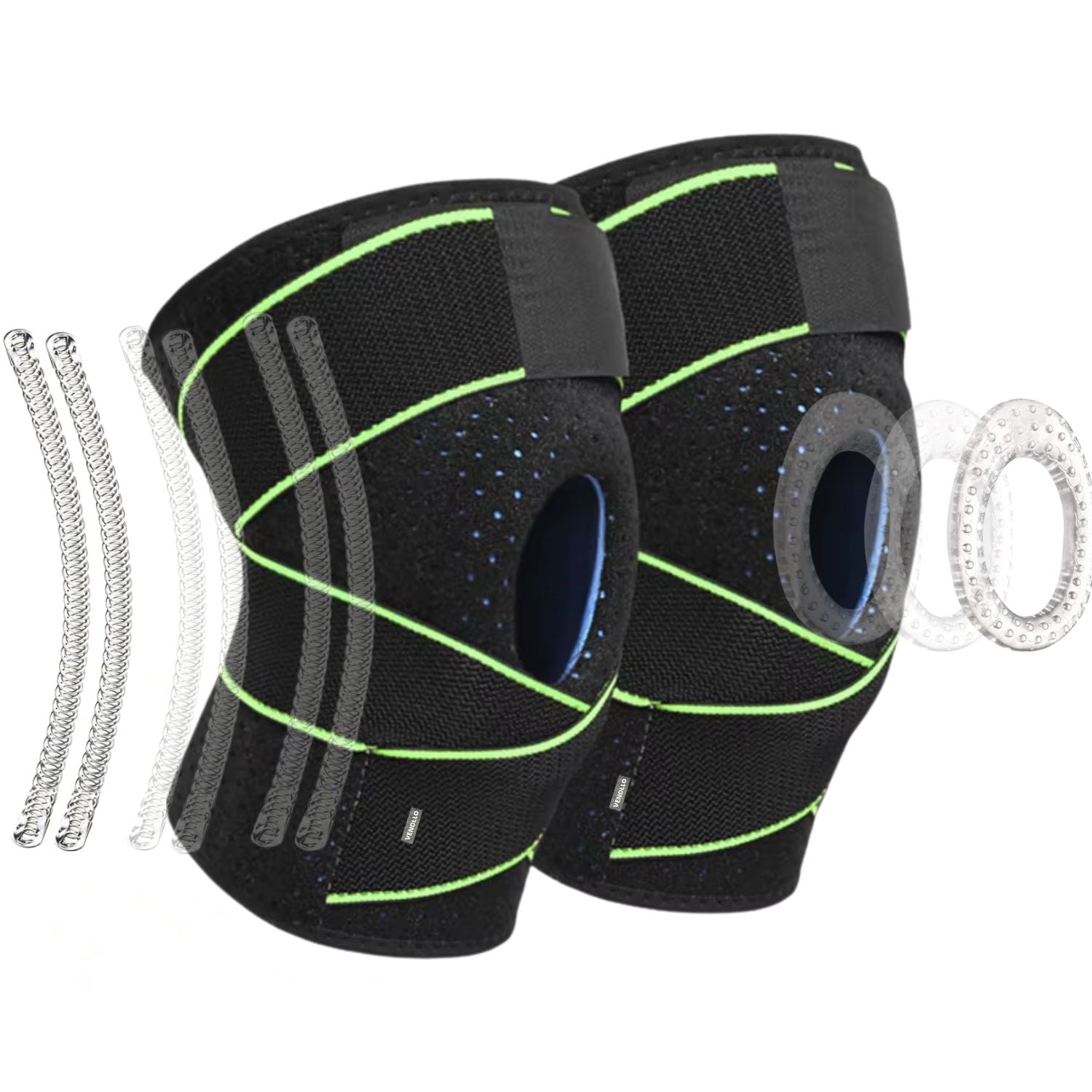
Follow the brace’s own instructions. If parts are designed to be removed, take them out first; if they are built in, gentle hand washing and air drying are usually the safest approach.
My skin is irritated where the brace sits. What should I do?
Stop wearing it and let your skin recover. If irritation continues or you notice a rash, speak to a pharmacist or GP. Our guide to wearing a knee brace comfortably has tips on giving your skin regular breaks.
Keep your knee support fresh
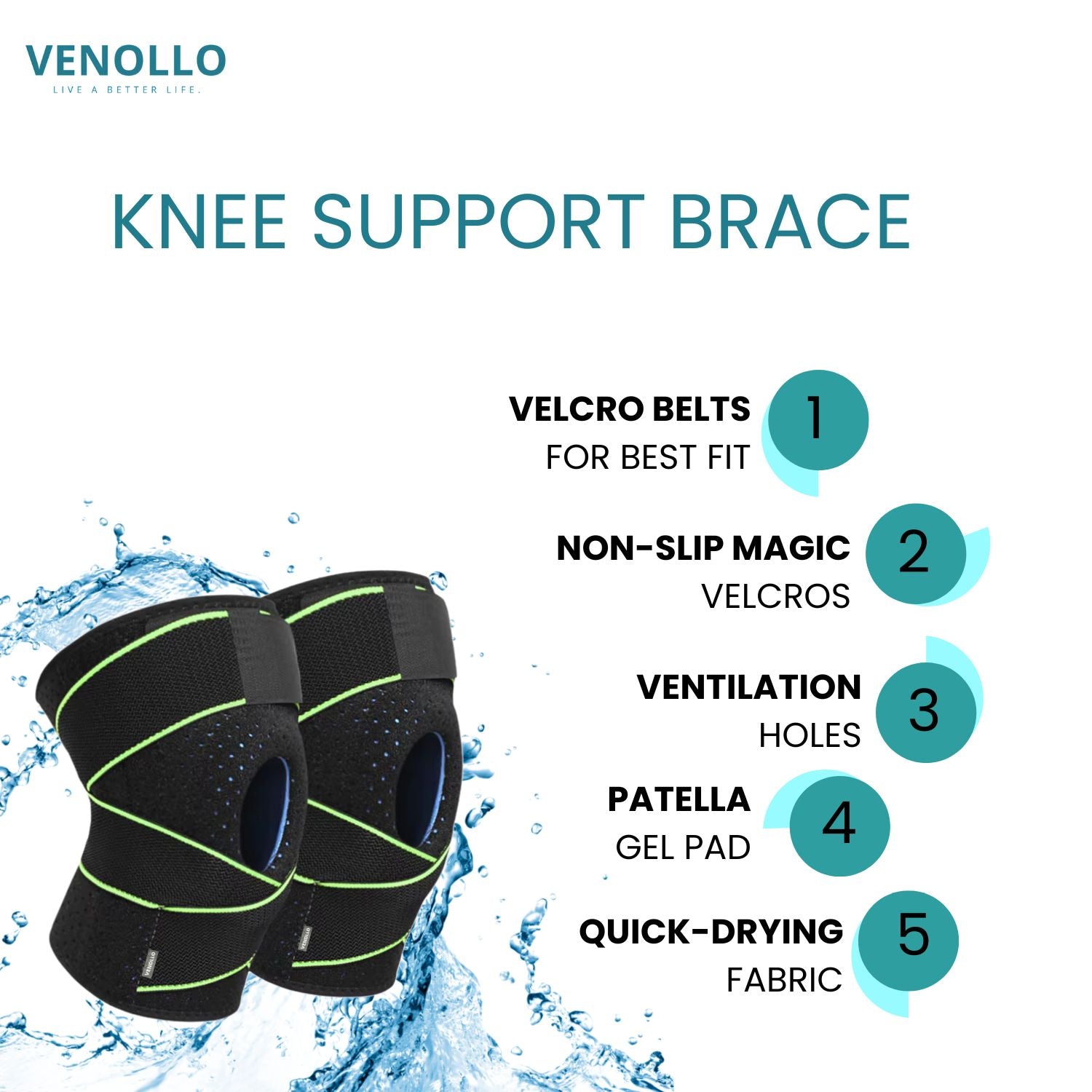
A clean brace is more pleasant to wear and easier to keep in good condition. The Venollo Knee Brace with Side Stabilisers & Patella Gel Pads is made from breathable, skin-friendly neoprene with a sweat-wicking inner layer, designed for comfort during workouts and long days. Browse the full Venollo knee supports and braces range to find out more.
This article is general information. Always follow the care instructions supplied with your product.


