

Children’s bodies are still growing, which means orthopaedic supports for children are different from adult products. They are usually recommended by a doctor, physiotherapist, podiatrist or orthotist for a specific reason. This guide is for parents and carers who want to understand the common types and how to help their child get used to wearing one.
Professional advice comes first
Do not buy a brace or splint to treat a child’s injury or condition without professional advice. Growing bones and joints need proper assessment, and an unsuitable support could be uncomfortable or unhelpful. If your child has pain, a limp, swelling, or has had a fall or injury, see your GP or seek urgent care as appropriate.
Common types of children’s supports
- Insoles and foot orthoses: inserts for shoes, sometimes recommended to support foot position or comfort.
- Ankle supports and ankle-foot orthoses: from soft sports supports to custom-made rigid orthoses prescribed by specialists.
- Wrist and arm supports: including splints and slings used after minor injuries.
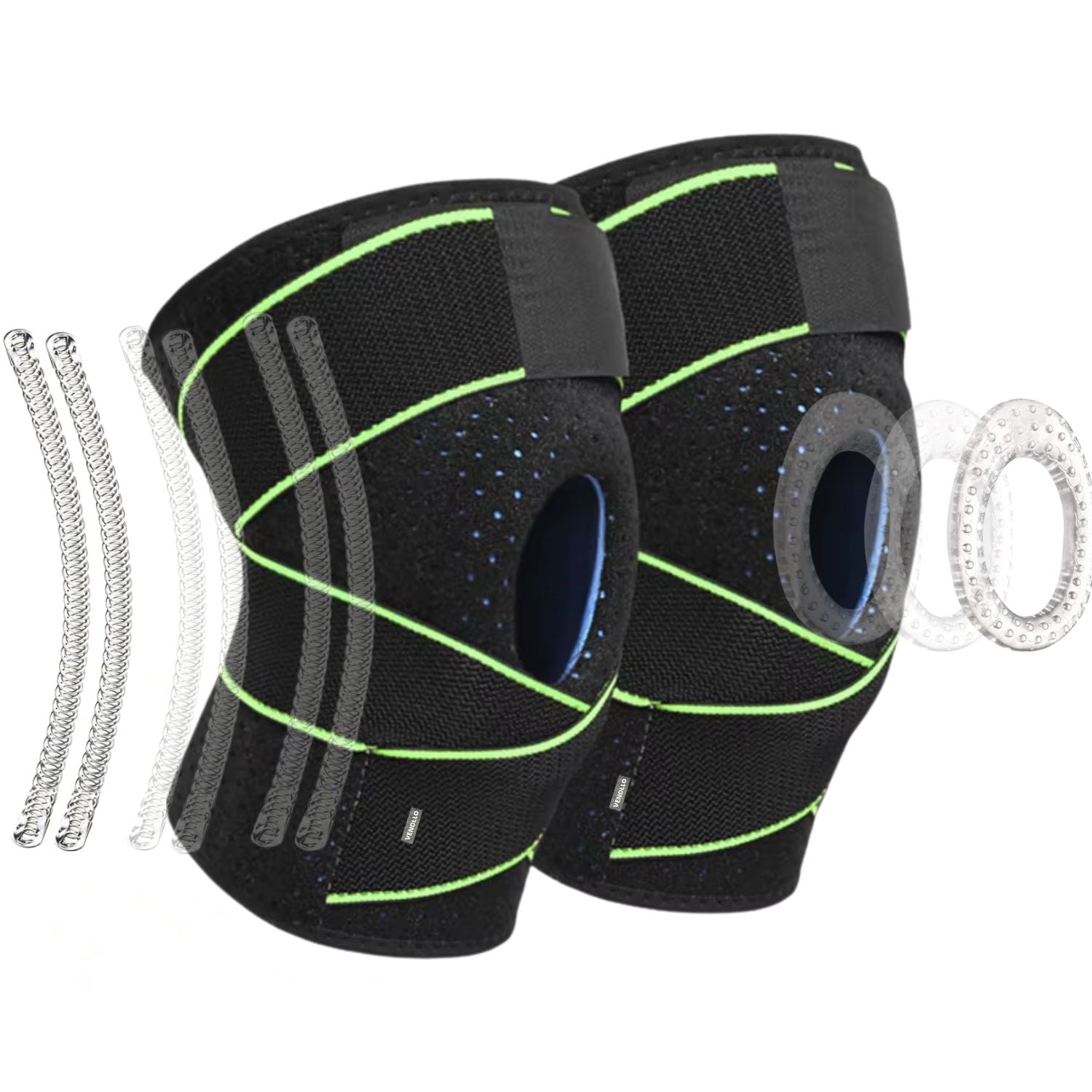
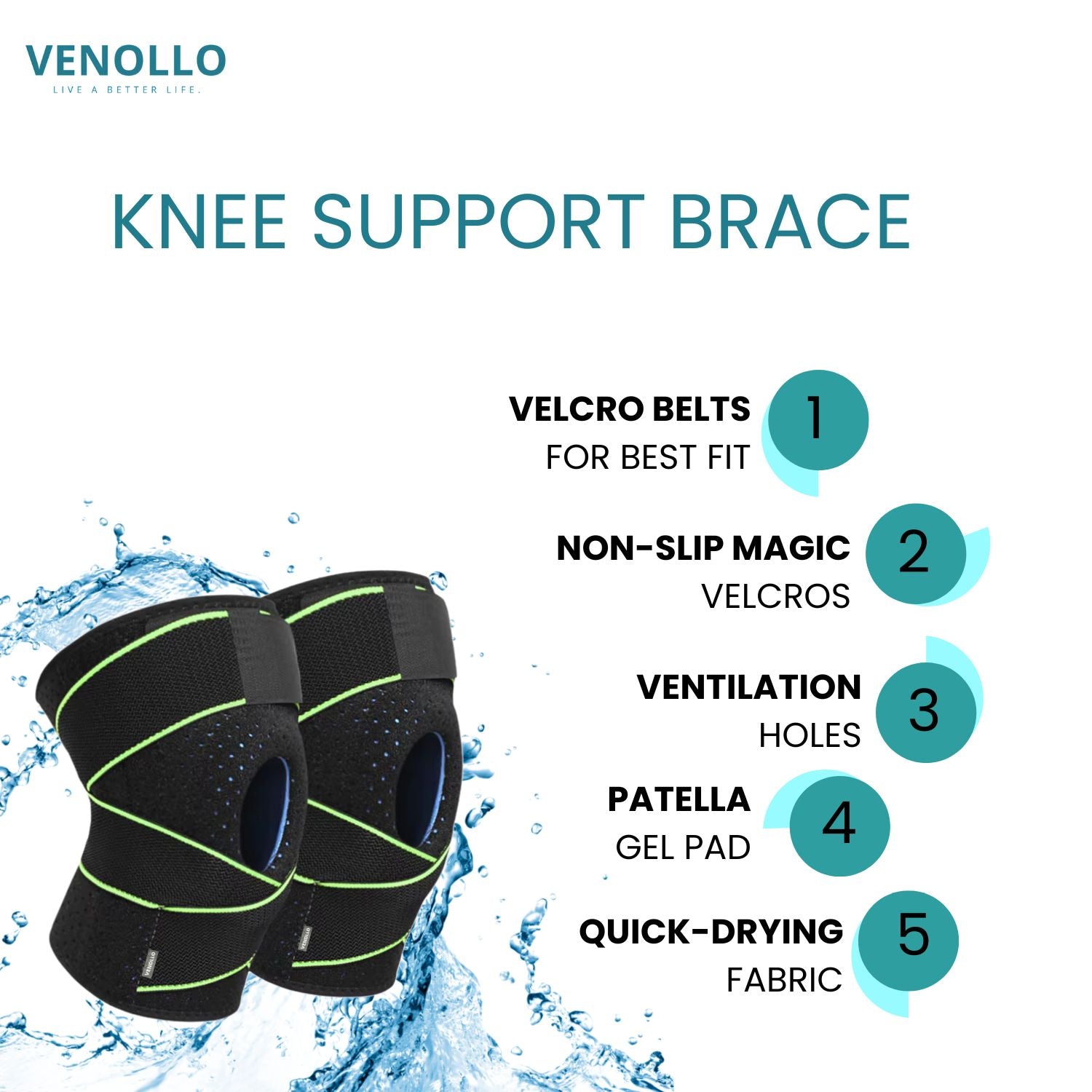
- Knee supports: soft sleeves for sport, or braces recommended for specific conditions.
- Hip and spinal braces: specialist devices fitted and monitored by clinical teams.
Getting the fit right
- Follow the sizing guidance from your clinician or the manufacturer.
- Check fit regularly, because children grow quickly and supports can become tight.
- Look at your child’s skin each day for redness, blisters or sore spots.
- Contact your clinician if a custom brace no longer fits or causes discomfort.
Helping your child wear a support
- Explain why in simple, positive terms.
- Build up gradually if your clinician recommends it.
- Make it part of the routine, for example putting it on at the same time each day.
- Let them personalise it with stickers or coloured covers where possible.
- Tell school or nursery so staff know how it should be worn and when it can be removed.
- Choose suitable clothing and shoes that fit over or around the support.
Hygiene and care
Wash removable liners and soft supports as instructed, and let them dry fully. A thin cotton layer under a brace can help with comfort and sweat, if your clinician agrees.
When to contact a professional
Get in touch with your child’s clinician if the support rubs or causes marks that do not fade, if your child is in pain, if the support is damaged, or if they have outgrown it.
Frequently asked questions
Can my child do sport in a support?
Ask your child’s clinician. Some supports are designed for activity; others are not.
Are adult supports suitable for children?
Generally no. Adult products are sized and designed for adult bodies.
Related guides
Read our guides to ankle supports and everyday foot care, and browse Venollo orthopaedic supports.
This article is general information and is not a substitute for medical advice. If you have an injury, a health condition or ongoing symptoms, please speak to a qualified healthcare professional.


